Salsa Classes for beginners in chandigarh
So you’ve been scrolling through dance videos at 1 a.m., watching people glide across the floor like it’s the easiest thing in the world, and now you’re wondering if you could actually do that too. Good news — you can. And you don’t need to have grown up dancing, or have any natural rhythm to speak of, to get started.
Let’s talk about what beginner Salsa classes actually look like, because there’s a lot of misinformation floating around that keeps people from ever walking through the door.
What Exactly Is Salsa?
Salsa is a Latin dance that blends footwork, partner connection, and a whole lot of personality. It has roots in Cuban and Puerto Rican music traditions, but over the decades it’s turned into something you’ll find in cities all over the world — from dance studios to backyard parties to crowded social nights where strangers become dance partners for three minutes and then friends for years.
It genuinely doesn’t matter if you’re 19 or 65. The dance floor doesn’t check IDs for talent.
Okay, But Is It Actually Hard to Learn?
Short answer: no, not really.
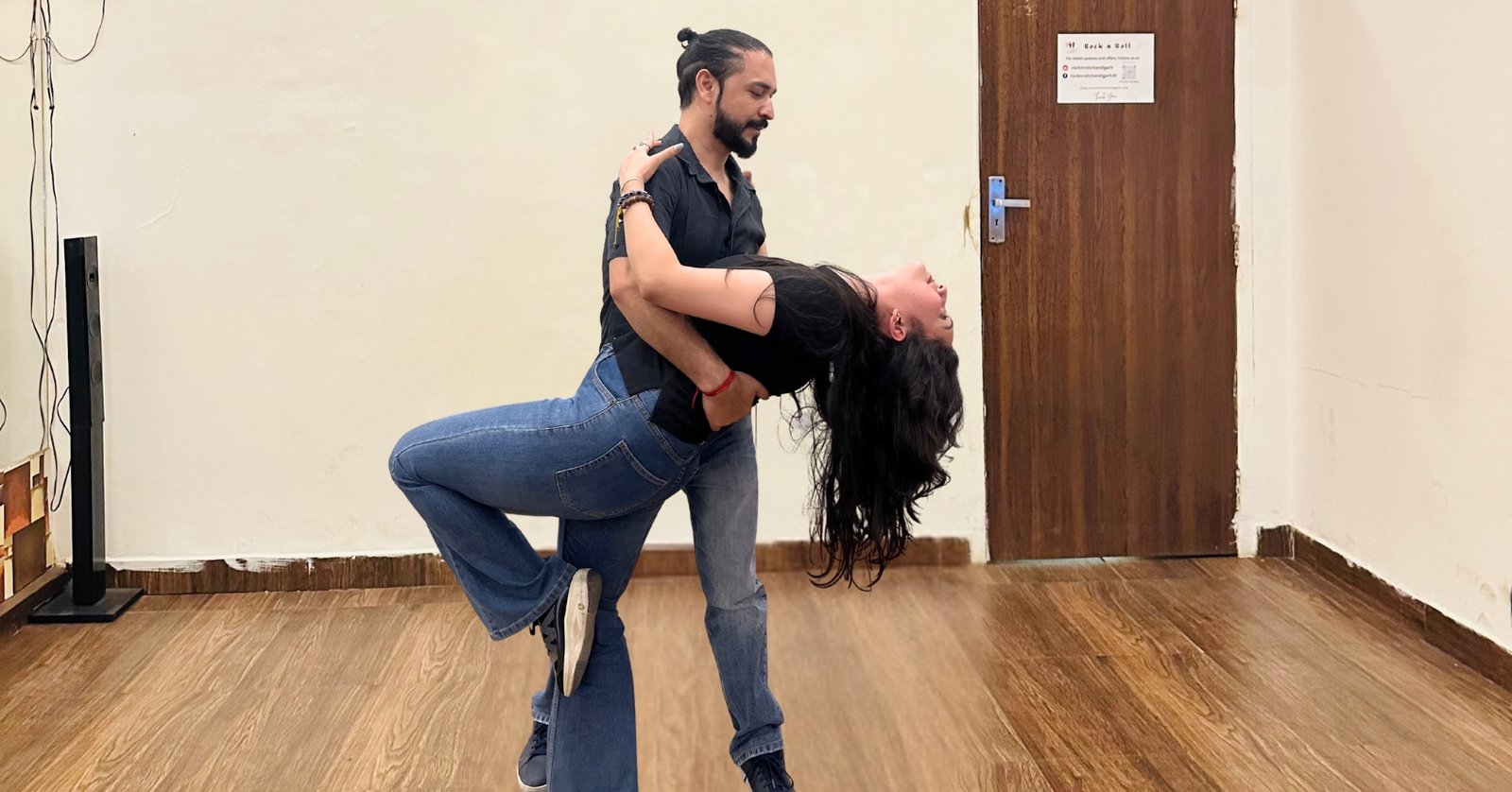
Longer answer: every single person you’ve ever seen dancing Salsa well was once a beginner who felt awkward and out of step. Nobody is born knowing how to do a cross-body lead. Classes are structured so you build things up gradually — first the basic step, then timing, then how to actually connect with a partner without stepping on their toes (literally).
A typical beginner-level class usually covers:
- The basic step and how to count the music
- Leading and following
- Simple turns
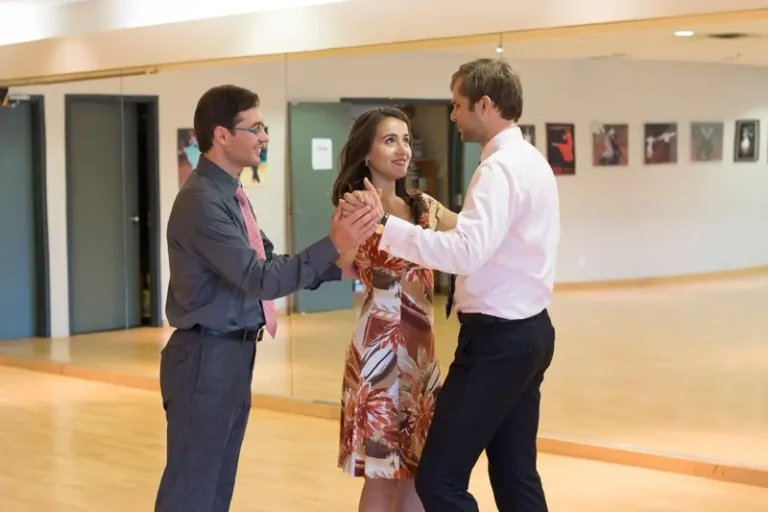
- How to hold a partner properly (it’s less awkward than it sounds)
- General dance floor etiquette
- A lot of encouragement to just relax and mess up a little
Most people are shocked at how much they pick up in just a few weeks.
Do I Need to Bring a Partner?
Nope. This is probably the question I get asked the most, and the answer surprises people every time.
Most beginner classes rotate partners throughout the session. It’s actually a good thing — dancing with different people helps you learn faster because everyone moves slightly differently, and your body starts adapting instead of memorizing one specific person’s habits. It’s also just more fun. Plenty of friendships (and honestly, more than a few relationships) have started because two strangers got paired up in a beginner Salsa class.
What Should You Wear?
You do not need sequins. You do not need special shoes on day one. Just show up in something comfortable that you can move in, and wear shoes with a smooth-ish sole — sneakers with heavy rubber grip tend to fight you when you’re trying to turn. Bring water. Bring a decent attitude. That’s basically the whole packing list.
Dance shoes can come later, once you know you’re sticking with it.
How Long Until You’re Actually Good?
That depends on how often you show up, but here’s a rough idea of what progress tends to look like:
After your first class — you’ll have the basic step down, start to feel the timing in the music, and probably feel less terrified than you expected to.
After a month — turns start feeling more natural, your coordination improves, and that “I have no idea what I’m doing” feeling starts to fade.
After three months — you’re comfortable social dancing, stringing combinations together, and actually hearing the music instead of just counting beats in your head.
It’s not a race. Some people get there faster, some slower, and both are completely fine.
Why People Actually Stick With It
Interestingly, most people don’t keep coming back just for the dancing itself.
It’s a workout that doesn’t feel like one. You’re building cardio, balance, and coordination the whole time, but you’re having too much fun to notice you’re sweating.
It builds confidence fast. There’s something about surviving your first nerve-wracking class and then realizing, three weeks later, that you’re actually dancing with strangers and enjoying it. That confidence tends to spill into other parts of life too.
It’s genuinely good stress relief. After a long day, an hour of music and movement has a way of shutting off the mental noise that a scroll through your phone never quite manages.
You meet people you’d never otherwise cross paths with. Salsa communities tend to be some of the friendliest spaces around — students, professionals, retirees, all mixed together with one shared interest.
What Actually Happens in Your First Class
If you’ve never set foot in a dance studio before, here’s the honest rundown: your instructor will start with the basic rhythm, you’ll practice the footwork on your own for a bit, and then partner work gets introduced once people are somewhat comfortable.
Nobody is expecting you to be good. Everyone in that room is there because they’re also learning. The vibe is usually a lot more relaxed and a lot less intimidating than people imagine beforehand.
Mistakes Almost Every Beginner Makes
If any of these sound like you, relax — it’s basically a rite of passage.
- Staring down at your feet the entire time
- Losing the timing halfway through a move
- Feeling shy or self-conscious with a new partner
- Taking steps that are way bigger than they need to be
- Rushing, instead of trusting the rhythm
These fade with practice. Everyone’s been there.
How Often Should You Practice?
If you want steady progress, aim for classes two to three times a week, and try to run through your basic steps at home for ten or fifteen minutes on the days in between. Listening to Salsa music on its own — even just in the car — helps your ear pick up the rhythm faster than you’d think.
Consistency beats intensity here. Twenty minutes a few times a week will get you further than one exhausting three-hour session.
Why a Real Instructor Beats YouTube
YouTube tutorials have their place, but they can’t correct your posture in real time or notice that you’ve developed a habit that’ll be annoying to unlearn six months from now. A good instructor catches those small things early — the stuff you’d never catch on your own — and that alone can save you months of frustration.
Who’s This Actually For?
Pretty much everyone. Complete beginners, college students, working professionals, couples looking for a shared hobby, single people looking to meet others, people just trying to move their bodies more. Age isn’t really a barrier here — showing up consistently matters far more than any natural talent you think you’re missing.